미생물에 의한 분해와 특정 조건에서의 퇴비화 과정을 구분해 설명합니다.
본사 원문 전체 보기 EN +
News
The difference between biodegradation and compost, which one is better for ecology?
The difference between biodegradation and compost, which one is better for ecology?
We may often see two words in our daily life – “Biodegradable” and “Compostable”. These two words are always used by mistake, which causes uncertainty for people who want sustainable shopping. To better create a better life for everyone, the most important thing is to understand the definition of biodegradation and compost, and the difference between them.
Biodegradation means that everything can be decomposed and absorbed by microorganisms, which is a spontaneous process. When an object begins to be degraded, it will be degraded into simple components, such as carbon dioxide and water. This process can take place with or without oxygen. But if under the condition of oxygen, the biodegradable process will be shorter.
It will take from several days to 500 years or even longer for biodegradation. However, the biodegradable time depends on the components and storage method, as well as temperature, water, light, and oxygen. Most waste landfill sites lack sunlight, air and moisture, which causes a slow biodegradable process.
Normally, vegetable peels, eggshells, paper and garden wastes can be biodegraded under natural conditions in a short time. However, plastic and aluminum foil are always regarded as non-biodegradable products because they will take a long time to biodegrade. In other words, most of the “biodegradable products” will actually not be biodegraded under natural conditions.
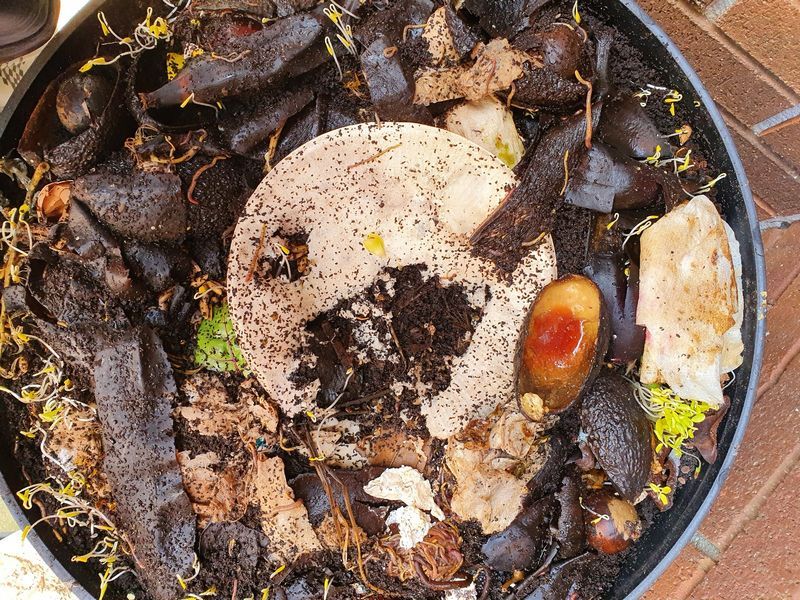
Compostable means that a product is capable of breaking down into natural elements in a compost environment. Because it’s broken down into its natural elements, it causes no harm to the environment. Different products may use different materials, which will cause different compost difficulties. So for compostable products, there are two kinds of types, home compost and industrial compost.
Home compost means throwing wastes into waste bins or landfills in someone’s backyard, which can be implemented at home. Due to the limited temperature, some products cannot be decomposed under home conditions. Industrial compost always creates the best conditions, such as temperature, humidity, oxygen and so on. This method can decompose some complex products that home compost cannot decompose. Both two composting methods will produce abundant fertilizer after the end of the process.
After knowing the definition of biodegradation and compost, you may still be confused. Although all compostable materials are biodegradable, not all biodegradable materials are compostable. Biodegradation will leave metal substances, while compost only produces biomass, carbon dioxide and water, which is totally eco-friendly to our environment.
Therefore, if you want to reduce the impact on the environment, choosing compostable products will be a better choice. YUTOECO is committed to providing sustainable packaging products made from plant fiber and can be 100% biodegraded and composted under natural conditions.
내용과 이미지는 본사 발행 자료 기준입니다. 과거 실적·계획 및 제품별 수치는 원문에 제시된 시점과 적용 조건을 기준으로 읽어주세요.